
Recipes: Gut Masala
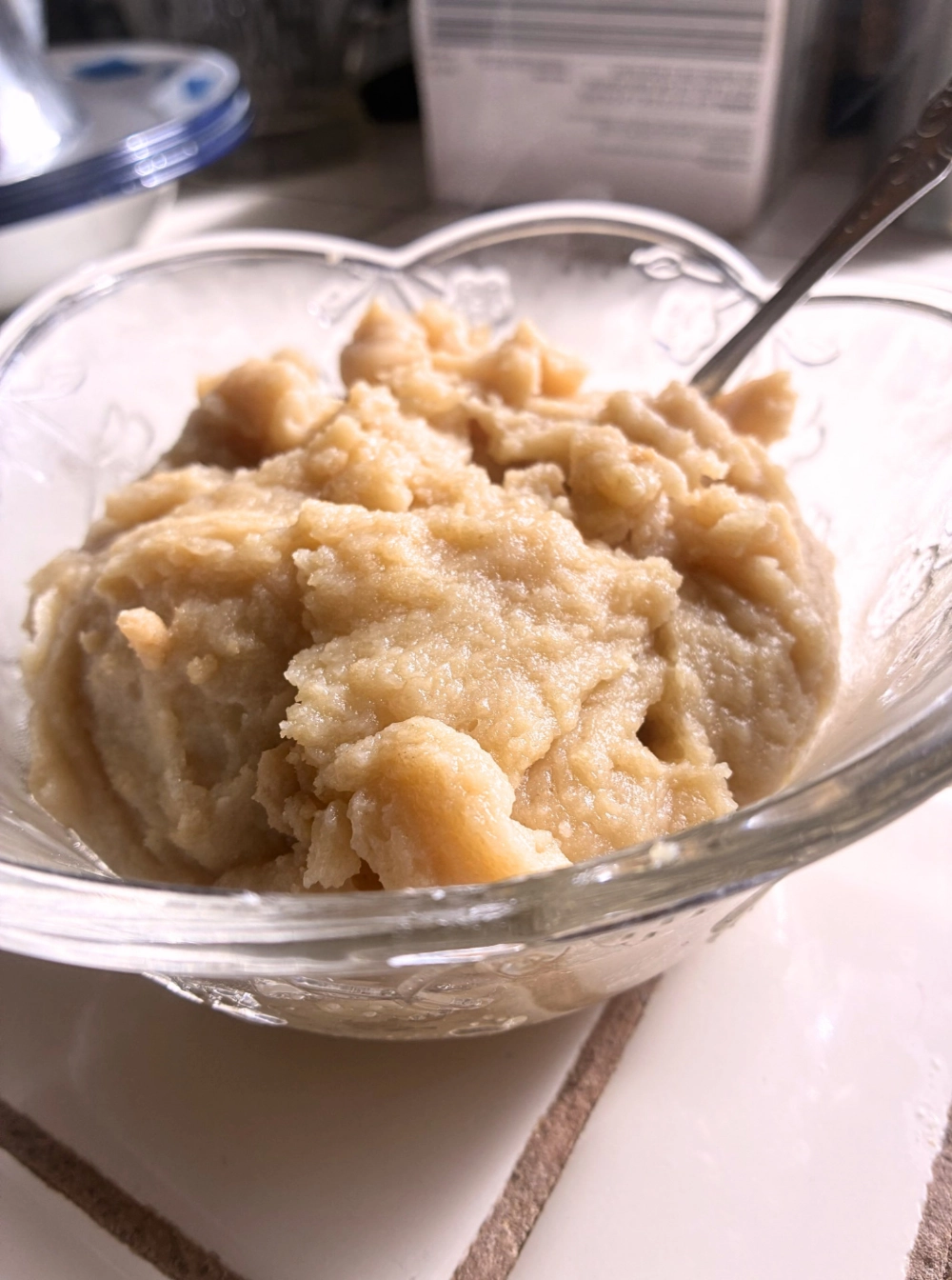
Atta Ka Halwa
By: Max Chaudhary
Reviewed by: Shehnaz Bashir
Type of Cuisine: South Asian/Indo-Fijian
Cooking Time: 15 minutes
About this Recipe
Atta ka halwa is a very popular sweet dish in South Asia and in the Middle East and North African regions. Commonly made during everyday prayers as an offering to the deities, halwa is a sweet pudding made with different flours that are cooked in ghee and sugar syrup. Atta refers to whole wheat flour in Hindi and atta ka halwa is a simple home-style halwa with whole wheat as the star.
In Max’s words:
For many Indo-Fijian Hindus, Atta Ka Halwa is almost like a requirement to be made during Hindu prayers, such as one’s Annual Pooja. Traditionally, sliced almonds and raisins would be added to do the dish, typically after the atta is roasted. With my IBD and ostomy, those two ingredients no longer suit me, so I tend to keep them out. This version of the dish allows me to partake in the festivities in a way that meets my body where it’s at.
Ingredients
- ⅓ cup of ghee
- ½ atta (whole wheat flour)
- 1 cup milk (or water, if milk is not suitable)
- ¼ sugar
- Pinch of green cardamom powder
Instructions
- Place your pan on the stove and turn the heat to medium.
- Once the pan is warmed up, add the ghee and let it melt.
- While the ghee is melting, in another pot, heat the water or milk on low-medium heat until it’s a rolling boil.
- Add the atta to ghee and continuously stir until the atta is a light brown color. This usually takes about 6 to 7 minutes.
- Add the hot water/milk and stir. Add slowly as the mixture will start to bubble.
- Stir until all the water is incorporated by the mixture. These steps usually will take about 1-2 minutes.
- Now add the sugar and mix. The mixture it will start to become liquid in texture; continue mixing until it becomes formed again.
- Remove from heat and add cardamom powder and mix.
- Enjoy!
Notes from Dietitian Shehnaz Bashir
Adapting the recipe according to what currently works for you is great. The removal of almonds and dried fruit may be required for some people for a short period of time. If you are prone to obstructions or have an ostomy, you may want to consider chopping or blending the dried fruit to reduce its particle size, while still enjoying the familiar flavours.
With recipes such as this that are high in fat and refined sugar, it would be good to watch portion size and only eat as much as you can tolerate. Other substitutions you can consider include replacing milk with plant-based milk or lactose free milk, rather than water, if you do not tolerate cow’s milk. If you use plant-based milk, ensure it is fortified with vitamins so that you get the same benefits as you would from consuming dairy.